
How Rechargeable Hearing Aids Handle Hot Weather
There are days in Mandeville when you can feel the humidity the moment you
By: J.J. Martinez, Au.D., FAAA | July 26, 2026
There are days in Mandeville when you can feel the humidity the moment you step outside, and it stays with you through nearly everything you do.
Maybe you’re heading across the Causeway. Spending time at the lakefront or making a few stops around town and before long the heat seems to settle into everything around you.
Most of us think about staying cool, finding a break from the sun or carrying a bottle of water before we leave home.
Rechargeable hearing aids become part of those routines just like your phone, your watch or your sunglasses on a bright afternoon. They’re with you through warm afternoons, time in the car and the moving between air-conditioned buildings and the Louisiana heat.
As more people choose rechargeable devices, it’s natural to wonder how they hold up when hot weather becomes part of life.
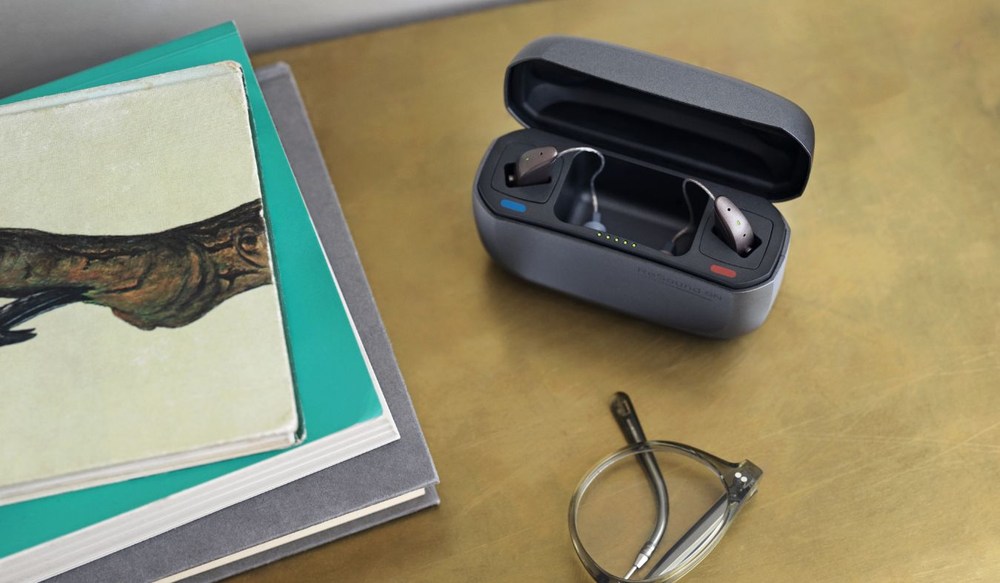
Rechargeable hearing aids use built-in batteries instead of disposable ones, so you recharge the devices rather than replacing batteries every few days. At the end of the day, you place the hearing aids in their charging case, where the built-in batteries recharge overnight.
Once they’re fully charged, they’re ready for another day of listening without any additional setup before you put them in your ears.
Throughout the day, the rechargeable battery powers sound processing, wireless connections and features like streaming or phone calls, depending on your model.
Battery life varies because it depends on how many hours you wear your hearing aids and how you use them each day. Streaming audio, making phone calls or using special listening programs often uses more battery power than conversations in quieter settings.
Most rechargeable hearing aids provide enough power for a full day before returning to the charger for another overnight charge.
Rechargeable hearing aids rely on tiny electronic components that use electrical signals to process sound, store battery power and communicate with other devices.
Like most electronics, those components generate a small amount of heat while they’re operating. When outside temperatures rise, a hearing aid starts with less ability to release that heat because the surrounding air is already warm.
Rechargeable batteries also work best within a certain temperature range, so excessive heat can change how quickly they charge, discharge or hold their power. Built-in sensors and protective features are designed to respond when temperatures become too high, helping reduce the chance of damage to other internal components.
Manufacturers build hearing aids with materials that are better suited for the temperatures people encounter throughout normal use. The outer shell helps protect the electronic parts inside from heat, moisture and regular wear.
Rechargeable models also include temperature sensors that check the battery while the device is being worn or charged. If the battery becomes too warm, some hearing aids temporarily slow or pause charging until it cools.
Manufacturers also test hearing aids in controlled heat and humidity conditions to see how batteries, electronics and materials respond after repeated exposure.
Even with these protective measures, hearing aids still have temperature ranges for use and storage that manufacturers recommend.
Heat doesn’t always cause a hearing aid battery to stop working all at once. More often, you may notice changes that suggest the battery or device is responding to higher temperatures.
Some common warning signs include:
An inspection can determine whether the battery, charger or other internal components are working the way they should after prolonged heat exposure.
Your audiologist can also explain the manufacturer’s recommendations for charging, storing and using the devices during periods of hot weather. Those conversations give you information that applies to your hearing aids, your listening habits and the conditions you experience throughout the summer.
Warm hearing aids don’t always need to go straight onto the charger. If you’ve been outside for a while or the devices were left in a hot vehicle, give them a little time to cool indoors before charging them.
Place the charger on a hard, stable surface away from direct sunlight or other sources of heat. Avoid charging near windows where the afternoon sun shines directly onto the case.
Before charging, make sure both your hearing aids and the charging contacts are clean and dry, so nothing interferes with the connection. Following the manufacturer’s charging instructions helps the battery charge under the conditions it was designed for.
Where you store your hearing aids can make a difference when temperatures stay high for long periods. Choose a location inside your home that stays relatively cool and dry instead of places where heat and humidity tend to collect.
Bedrooms, closets or other climate-controlled rooms are often better choices than bathrooms, windowsills or enclosed vehicles. If you’re spending time outside, avoid leaving hearing aids or their charging case in direct sunlight, even for a short period.
Before putting the devices away, wipe away any sweat or moisture and make sure the hearing aids, charging case and charging contacts are dry.
If you live in a humid climate, a hearing aid dehumidifier or drying container can also be part of your regular storage routine between uses.
Summer heat doesn’t mean you have to leave your devices at home. A wide-brimmed hat keeps more direct sunlight off your ears while also shading them during long periods outside.
If you’re planning to spend several hours outdoors, stopping in the shade from time-to-time limits how much heat they absorb. If you’ll be walking, gardening, attending festivals or spending time at outdoor sporting events, retention clips help keep everything in place if sweat changes the fit.
Keep the charging case in a bag or another shaded spot instead of leaving it in direct sunlight or inside a parked vehicle.
When you get home, wipe away sweat or moisture before placing the devices on the charger and make sure both they and the charging contacts are dry first.
If your device becomes unusually warm, move it out of the heat as soon as you notice it. Place it in a cool indoor location and let it return to a normal temperature on its own.
Avoid putting it in a refrigerator, freezer or anywhere with extreme cold, since sudden temperature changes can create condensation inside the electronics.
While it cools, check for any warning lights, indicator lights or error messages on the device or in its companion app, if your model includes one. After it has cooled, check whether it turns on, charges and works the way it normally does.
If it doesn’t, follow the manufacturer’s instructions before trying to charge or wear it again. The guide or companion app may include model-specific steps after exposure to high temperatures.
If the problem continues or you have questions about what happened, contact your audiologist. They can inspect the device, determine whether the heat affected its performance and let you know whether any repairs or service are needed.
Hot weather is simply part of living in South Louisiana, and your hearing aids spend just as much time in those conditions as you do.
A few small adjustments during the warmer months make a difference in how you charge, store and use your devices from one season to the next.
Knowing what heat does to rechargeable technology also makes it easier to recognize when something isn’t quite right or when it’s time to take a closer look. Those questions don’t always come up during a scheduled appointment.
Sometimes they come after a particularly hot week, a long day outdoors or a summer trip. When that happens, we’re always happy to talk through what’s normal for your devices and what isn’t.
At SLENT Hearing & Balance Center in Mandeville, LA, we can inspect your hearing aids if they’ve been exposed to excessive heat or you’ve noticed changes after spending time outdoors. To learn more or schedule an appointment, give us a call at (985) 590-5759.
There are days in Mandeville when you can feel the humidity the moment you
By: J.J. Martinez, Au.D., FAAA | July 26, 2026
Anyone who has lived on the north shore of Lake Pontchartrain knows that
By: J.J. Martinez, Au.D., FAAA | June 25, 2026
You sit down with your audiologist after your hearing test, and they slide
By: J.J. Martinez, Au.D., FAAA | January 19, 2026